
The electric vehicle revolution continues to reshape the global automotive industry, and Wuling has emerged as one of the most influential brands in the affordable EV segment. Following the success of the Binguo EV, a retro-inspired electric hatchback that quickly gained popularity in China and several Southeast Asian markets, anticipation is growing for the arrival of the next-generation model. The 2027 Wuling Binguo EV Hatchback is expected to build upon the strengths of its predecessor while introducing significant improvements in design, technology, performance, and driving range.
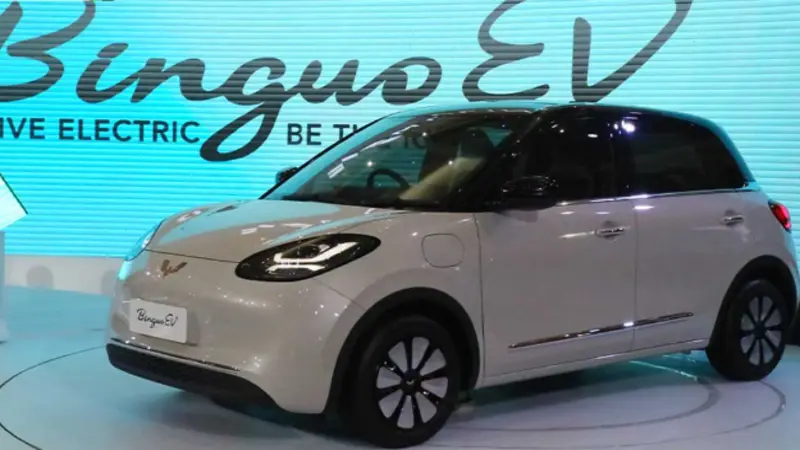
As consumer expectations evolve and competition intensifies among compact electric vehicles, manufacturers are under increasing pressure to deliver products that combine affordability with advanced features. Wuling appears well-positioned to meet these demands through a comprehensive redesign of the Binguo EV. Industry analysts expect the upcoming model to offer a more refined driving experience, enhanced connectivity, improved battery technology, and a more premium appearance without sacrificing its value-oriented character.
The 2027 Binguo EV Hatchback could become one of the most attractive choices for urban commuters, young professionals, and environmentally conscious buyers seeking a practical yet stylish electric vehicle. While official details remain limited, numerous trends within the EV market provide valuable clues about what the future Binguo EV may offer.
2027 Wuling Binguo EV Hatchback Redesign
2027 Wuling Binguo EV Hatchback Exterior And Interior Design
One of the most distinctive aspects of the current Binguo EV is its retro-inspired design language. Unlike many electric vehicles that pursue aggressive futuristic styling, the Binguo embraces smooth curves, rounded lighting elements, and a friendly visual character. The 2027 model is expected to retain this identity while incorporating a more modern and sophisticated appearance. The front fascia will likely undergo a substantial transformation. Designers may introduce a sleeker front-end design featuring a full-width LED light bar that connects redesigned headlights. This lighting signature would enhance the vehicle’s road presence while creating a more premium and technologically advanced look.
The rounded headlamp design that has become synonymous with the Binguo could evolve into slimmer LED projector units. These new lights may feature adaptive lighting technology capable of automatically adjusting brightness and beam direction according to driving conditions. Aerodynamic efficiency is expected to play a larger role in the vehicle’s design development. Electric vehicles benefit greatly from reduced air resistance, and the 2027 Binguo EV may feature smoother body contours, redesigned side mirrors, and optimized airflow channels around the wheels. These changes could improve energy efficiency and contribute to a longer driving range.
The side profile is likely to remain compact and city-friendly while appearing more dynamic than before. New character lines along the body panels could add visual depth and sophistication. Flush-mounted door handles may replace traditional handles, contributing to cleaner styling and improved aerodynamics. Wheel designs are expected to become more contemporary, with larger alloy wheel options ranging from 15 to 17 inches depending on trim level. Wuling may also introduce new color choices, including vibrant pastel shades, metallic finishes, and fashionable two-tone paint combinations aimed at younger buyers.
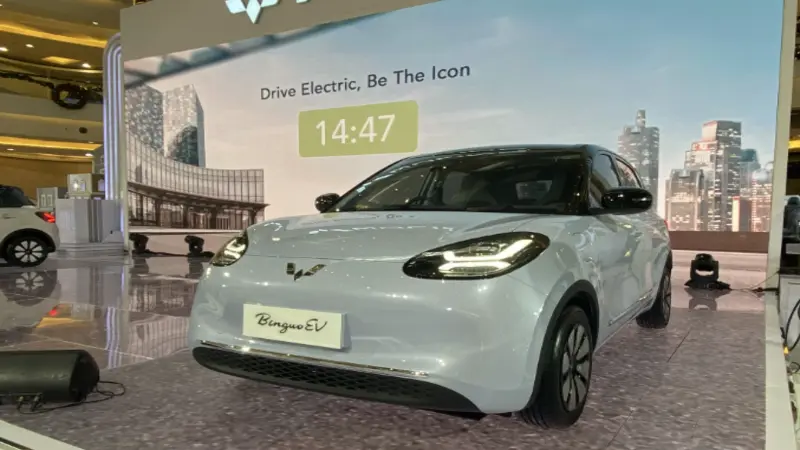
At the rear, a redesigned LED taillight system could stretch across the width of the hatchback, creating a modern visual signature during nighttime driving. A revised bumper design and subtle roof spoiler may further enhance the vehicle’s sporty appearance. Overall, the exterior redesign is expected to balance nostalgia and innovation. Wuling will likely preserve the Binguo EV’s recognizable personality while making it look more premium, efficient, and contemporary.
Premium Comfort in a Compact Package. The cabin of the 2027 Wuling Binguo EV Hatchback is expected to receive one of the most dramatic upgrades in the vehicle’s history. Consumers increasingly expect advanced technology and premium materials even in affordable vehicles, and Wuling is likely to respond with a significantly improved interior environment. The dashboard design may adopt a cleaner, more minimalist layout centered around digital technology. Industry observers anticipate a large dual-screen configuration that combines a fully digital instrument cluster with an expansive infotainment display. This setup would provide a modern user experience while reducing dashboard clutter.
The infotainment system is expected to feature faster processing speeds, enhanced graphics, and improved user interfaces. Kely becomes standard equipment, allowing seamless smartphone integration without cables. Material quality throughout the cabin could see notable improvements. Soft-touch surfaces, premium fabric upholstery, synthetic leather seating options, and metallic trim accents may elevate the overall feel of the interior. These upgrades would help the Binguo compete with more expensive electric hatchbacks.
Seat comfort is another area where improvements are anticipated. Redesigned front seats with enhanced lumbar support and improved cushioning could provide greater comfort during long commutes and weekend trips. Rear passengers may also benefit from better legroom and more supportive seating. Storage practicality remains essential for urban drivers, and the 2027 model is expected to introduce smarter storage solutions. Larger door pockets, additional center console compartments, and flexible cargo configurations could make the hatchback more practical for everyday use.

Ambient lighting technology may become available on higher trim levels, allowing drivers to customize the cabin atmosphere with various color themes. This feature has become increasingly popular among younger consumers who value personalization. Connectivity will likely play a central role in the next-generation Binguo EV. Wuling may introduce advanced cloud-based services that enable remote vehicle monitoring through a smartphone application. Owners could check battery status, pre-condition cabin temperatures, locate their vehicle, and schedule charging sessions from virtually anywhere.
Voice-command functionality is expected to become more intelligent as well. Advanced natural-language processing could allow drivers to control navigation, entertainment, climate settings, and communication features using conversational voice commands. The overall interior design philosophy is likely to focus on comfort, convenience, and digital integration, creating a cabin environment that feels significantly more upscale than the vehicle’s price category might suggest.
2027 Wuling Binguo EV Hatchback Engine and Electric Powertrain
Although electric vehicles do not use traditional gasoline engines, many consumers still refer to the propulsion system as the “engine.” In reality, the Binguo EV utilizes an electric motor paired with a battery pack to generate power. The current Binguo EV offers several powertrain configurations depending on the market and trim level. For the 2027 model, Wuling is expected to introduce a new generation of electric motors that deliver greater efficiency and improved performance.
Industry experts anticipate power outputs ranging from approximately 50 kW to 90 kW, depending on the Variant. Entry-level models will likely prioritize efficiency and affordability, while higher-end versions may focus on stronger acceleration and improved highway performance. Torque delivery is expected to increase as well. Because electric motors provide instant torque, even modest improvements can significantly enhance responsiveness in city driving. Drivers may experience quicker acceleration from traffic lights and more confident overtaking performance.
Battery technology is expected to receive the most substantial upgrade. Advances in lithium battery chemistry continue to improve energy density, enabling manufacturers to deliver longer ranges without dramatically increasing vehicle size or weight. The 2027 Binguo EV Hatchback could offer multiple battery options to accommodate different customer needs. A standard-range version may feature a battery capacity of approximately 35 kWh to 40 kWh, while long-range models could utilize packs ranging from 45 kWh to 55 kWh.
These improvements could potentially extend driving range to between 350 and 500 kilometers on a single charge, depending on the selected battery configuration and testing methodology. Such figures would represent a meaningful improvement over current-generation models and enhance the vehicle’s practicality for daily use. Charging technology is also expected to advance significantly. Faster AC charging capabilities may reduce home charging times. At the same time, widespread DC fast-charging compatibility could allow drivers to recharge from 30 percent to 80 percent in approximately 25 to 35 minutes under ideal conditions.
Battery safety remains a major priority for EV manufacturers. Wuling is likely to incorporate improved thermal management systems designed to maintain optimal battery temperatures and enhance long-term durability. These systems may help preserve battery performance in both hot and cold climates. Regenerative braking technology is expected to become more sophisticated as well. Adjustable regeneration settings could allow drivers to customize energy recovery levels according to personal driving preferences and traffic conditions.
Collectively, these powertrain upgrades could transform the Binguo EV into a more capable and versatile electric hatchback while preserving the efficiency and affordability that define the model.
2027 Wuling Binguo EV Hatchback Enhanced Safety and Driver Assistance Features
Safety expectations have risen dramatically in recent years, and the 2027 Binguo EV is expected to reflect this trend. Wuling may equip the vehicle with a comprehensive suite of advanced driver-assistance technologies previously reserved for higher-priced vehicles. Potential features include adaptive cruise control, autonomous emergency braking, lane-keeping assistance, lane departure warning, blind-spot monitoring, rear cross-traffic alert, traffic sign recognition, and automatic high-beam control.
Multiple airbags, electronic stability control, traction control systems, and strengthened body structures are also likely to contribute to improved occupant protection. The integration of these technologies could make the Binguo EV one of the safest vehicles in its segment while improving driver confidence during both urban and highway travel.
2027 Wuling Binguo EV Hatchback Driving Dynamics and Everyday Usability
The 2027 Binguo EV Hatchback is expected to offer a more refined driving experience than its predecessor. Engineers will likely focus on improving ride quality, steering precision, and overall comfort. A revised suspension system could provide better absorption of road imperfections while maintaining stable handling characteristics. Improvements in chassis rigidity may further enhance vehicle control and passenger comfort.
Noise reduction measures are also anticipated. Additional insulation materials and improved sealing techniques could significantly reduce wind and road noise, creating a quieter and more relaxing cabin environment. The compact dimensions that have made the Binguo popular for city driving will likely remain unchanged. Easy maneuverability, tight turning circles, and convenient parking capabilities should continue to be among the vehicle’s strongest attributes.
2027 Wuling Binguo EV Hatchback Expected Release Date And Expected Price
Although Wuling has not officially confirmed the existence of a 2027 Binguo EV Hatchback, industry analysts expect a next-generation model to debut sometime between late 2026 and early 2027. An international unveiling could occur at a major automotive exhibition in Asia, followed by phased launches across key markets. China is expected to remain the primary launch market, with Southeast Asian countries potentially receiving the vehicle shortly afterward.
Customer deliveries could begin during the first half of 2027 if development timelines proceed as anticipated. Affordability has been central to the Binguo EV’s success, and Wuling is expected to maintain a competitive pricing strategy despite substantial technological upgrades. The additional costs associated with larger batteries, advanced safety systems, enhanced connectivity, and premium interior materials will likely result in moderate price increases compared with current models.
Industry estimates suggest the following potential pricing structure :
- Entry-Level Variant: $12,000–$15,000
- Mid-Range Variant: $15,000–$18,000
- Long-Range Premium Variant: $18,000–$23,000
Depending on market conditions, local incentives, import duties, and battery specifications, pricing in Southeast Asia could vary significantly. Even so, the Binguo EV is expected to remain one of the most affordable electric hatchbacks in its category.
2027 Wuling Binguo EV Hatchback Final Thoughts
The 2027 Wuling Binguo EV Hatchback has the potential to become one of the most compelling affordable electric vehicles of the decade. By combining a stylish retro-modern redesign, improved interior quality, advanced digital technologies, enhanced safety systems, and a more capable electric powertrain, Wuling could significantly strengthen the appeal of its popular hatchback.
While official specifications remain unconfirmed, expectations are high that the next-generation Binguo EV will offer a longer driving range, faster charging capabilities, and a more premium ownership experience. If Wuling successfully balances innovation with affordability, the 2027 Binguo EV Hatchback could set a new benchmark for practical and stylish urban electric transportation.
Also read the article : https://autovoltahub.com/2027-wuling-cloud-ev-hatchback-stunning/